2AMSU New Ridging Flat Type Cassava Planter


2AMSU New Ridging Flat Type Cassava Planter
Basic Info
| Model No. | 2AMSU |
|---|---|
| Brand Name | TAGRM |
| warranty period | 1 Year |
| Applicable industry | Hotels, Farms, Restaurant, Home Use, Food &Amp; Beverage Factory |
| Out-of-warranty service | Video Technical Support, Online Support, Spare Parts |
| Where to provide local services (in which countries are there overseas service outlets) | None |
| Showroom location (in which countries are there sample rooms overseas) | None |
| Video factory inspection | Provided |
| Mechanical test report | Provided |
| Marketing type | Ordinary Product |
| Core component warranty period | 1 Year |
| Core components | Engine |
| place of origin | China |
| status | New |
| Core selling point | High Productivity |
| Rangs de plantation | 2 |
| Espacement des plants | 700mm (Order) |
| Longueur de coupe | 16±3cm |
| Profondeur du plant | 60-100mm |
| Productivité | 0,3-0,5ha/h |
| Taux d'engrais | 270-690kg/ha |
| Puissance du tracteur | 120hp |
| Poids | 1070kg |
| Dimensions | 2000×2300×1950mm |
Product description
Cassava, scientifically known as cassava, is a starchy root crop that grows in the tropics and subtropics and is widely cultivated in Africa, Asia, and South America. Ideal for areas with poor soil quality and erratic rainfall, it is a good source of carbohydrates and rich in calories, making it an important crop for food security in many developing countries. It can also be used to produce various products, such as tapioca starch, ethanol, animal feed, and other raw materials for industrial deep processing products.
Although cassava is easy to grow and does not have high requirements on soil and precipitation, to achieve higher yield and quality, and ultimately obtain better economic benefits, cassava planting methods also need to be quite particular: such as land preparation; planting; Plant spacing, row spacing, density; plant growth care; efficient harvesting. In addition to adopting scientific growing methods, the use of mechanization can increase efficiency, reduce labor requirements, and increase the overall productivity of cassava farming.
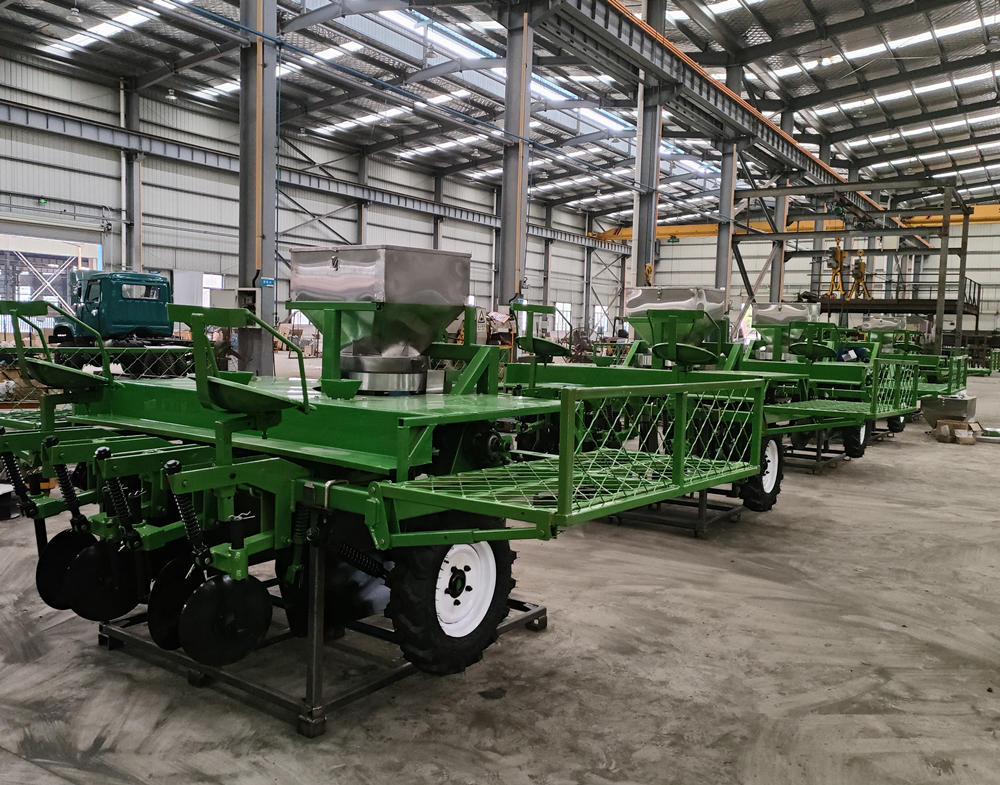
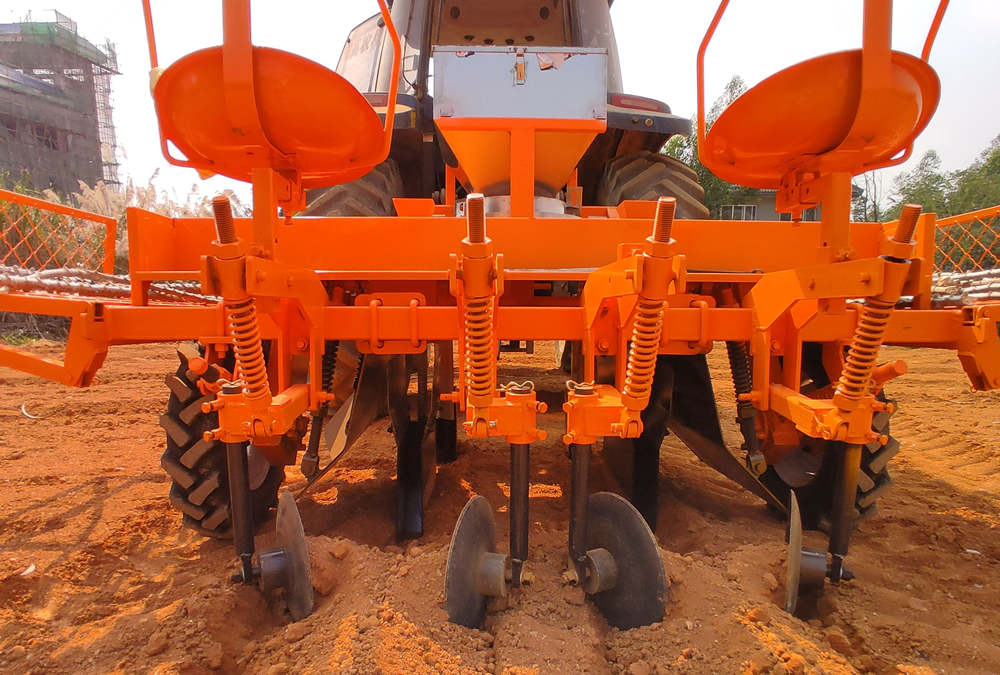
TAGRM's new 2AMSU simple cassava planter is tractor-drawn and powered. It can be transported by a crew of two. The machine can simultaneously complete ditching, fertilization, strip cutting, stem cutting, soil covering, vibration treatment, and other work. The main structure of the cassava seeder is made of high-strength steel, which is economical durable, and easy to operate and maintain. In particular, TAGRM has redesigned and optimized the machine based on years of experience, making the cost of the machine much lower than previous models.Recently, we have made technical improvements to this model of cassava planter to improve operator comfort and load capacity.
TAGRM has 30 years of experience in cassava cultivation. According to the characteristics of these crops, combined with the guiding ideology of low cost and high efficiency, we designed cassava planting and harvesting equipment, which has the characteristics of multi-function, simple operation, and low maintenance cost, which greatly improves the planting efficiency of cassava.
Main technical specifications
|
Model |
2AMSU RIDGING TYPE |
Productivity (ha/h) |
0.3-0.5 |
|
Planting rows |
2 |
Fertilizer rate(kg/ha) |
270-690 |
|
Row space(mm) |
700(Order) |
Motive power (hp) |
120 |
|
Chop length(cm) |
16±3 |
Dimensions (mm) |
2000×2300×1950 |
|
Plant depth(mm) |
60-100 |
Weight(kg) |
1070 |
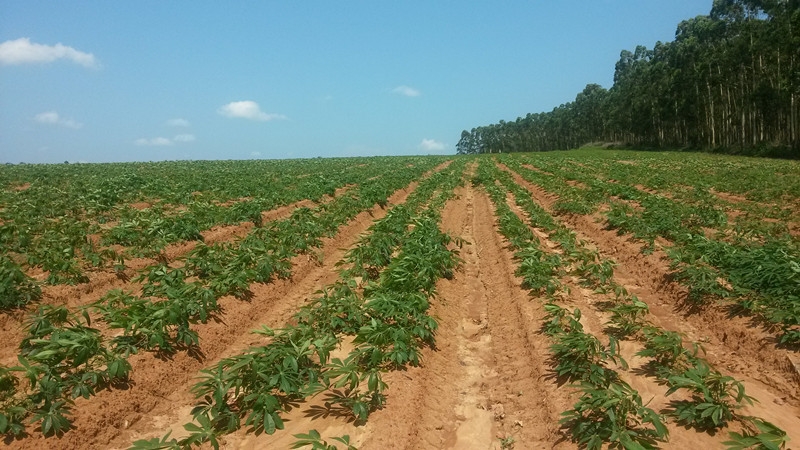
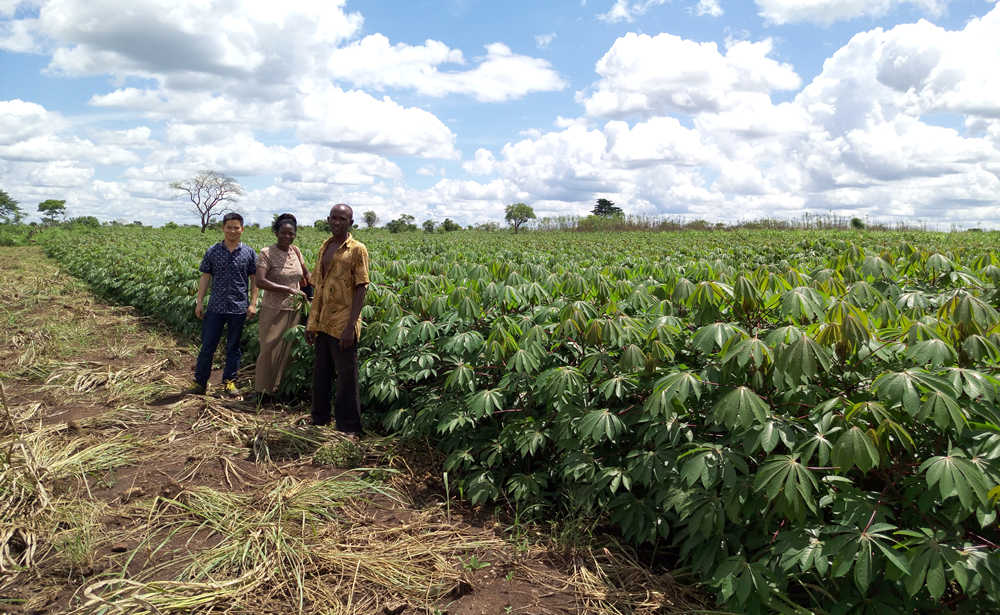
As the world’s population grows, so does the demand for more efficient agricultural production. Mechanical planting is becoming increasingly popular, as a means of meeting this demand. Mechanical planting is the process of using specialized machines to perform planting operations such as sowing, cultivating, and harvesting. One of the crops that has seen significant uptake in mechanical planting is cassava, also known as manioc, yuca, or tapioca.
Mechanical planting of cassava has numerous benefits. Firstly, it is highly efficient, covering large areas in a relatively short period. This is especially beneficial when large tracts of land are to be planted quickly. Furthermore, mechanical planting can reduce the number of resources expended in terms of labor, fuel, and seeds. It can also improve yields by reducing the amount of soil compaction that occurs with manual planting. Additionally, mechanical planting can aid in weed control, as machines can eliminate weeds more effectively than manual labor.
Not only can mechanical planting increase output and efficiency, but it can also help to improve the quality of cassava production. Machines allow for greater accuracy when planting and can also help to reduce crop variation, as plants are uniformly spaced apart. This helps to ensure that all plants receive the same amount of nutrients, light, and water, leading to improved yield and quality of the final product.
Lastly, mechanical planting can reduce the physical strain on farm workers, allowing them to work longer hours without feeling the effects of fatigue. Ultimately, the adoption of mechanical planting technology is a beneficial step for the agricultural sector, reducing costs, increasing output, and improving the overall quality of crop production.
1. Product Features:
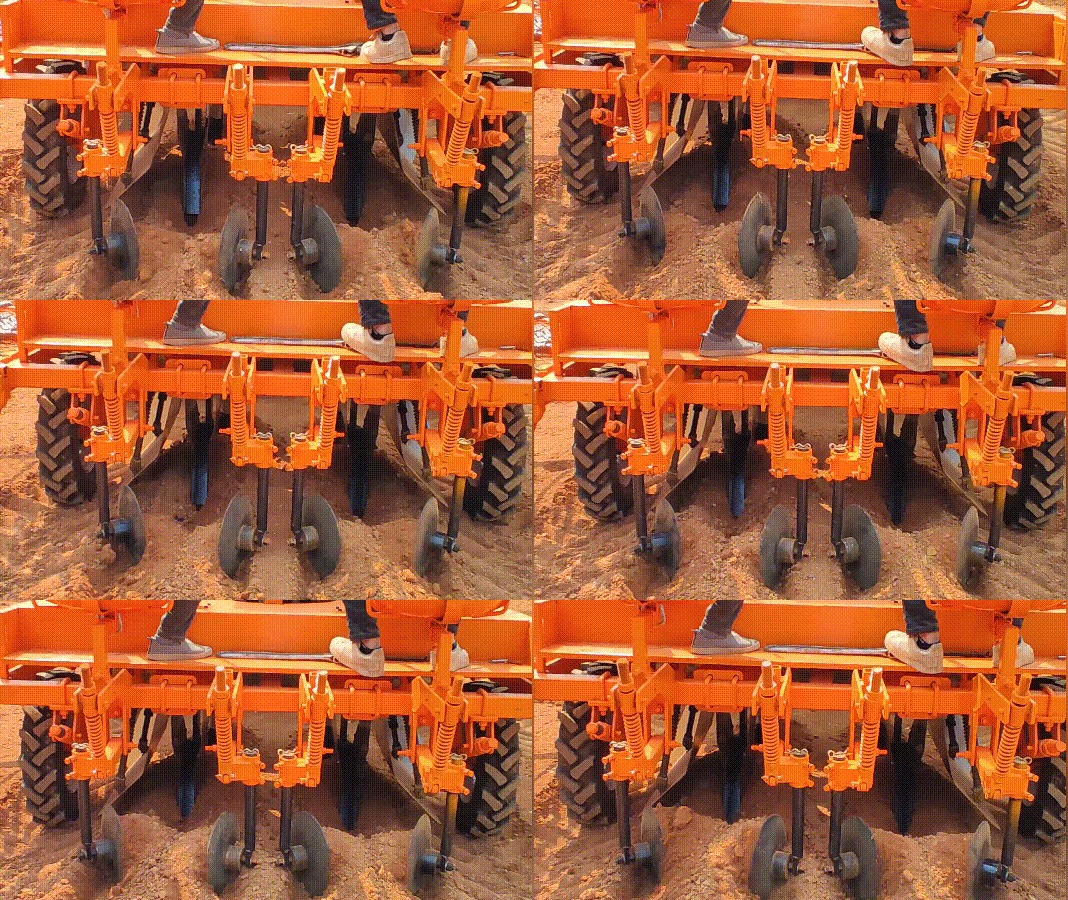
2AMSU cassava planter can finish ditching, fertilizing, cutting, and putting cassava stems for sowing, covering soil, and vibration pressure processing at the same time.
2. Main technical specifications
|
Model |
2AMSU RIDGING TYPE |
Productivity (ha/h) |
0.3-0.5 |
|
Planting rows |
2 |
Fertilizer rate(kg/ha) |
270-690 |
|
Row space(mm) |
700(Order) |
Motive power (hp) |
90-110 |
|
Chop length(cm) |
16±3 |
Dimensions (mm) |
2000×2300×1950 |
|
Plant depth(mm) |
60-100 |
Weight(kg) |
1070 |
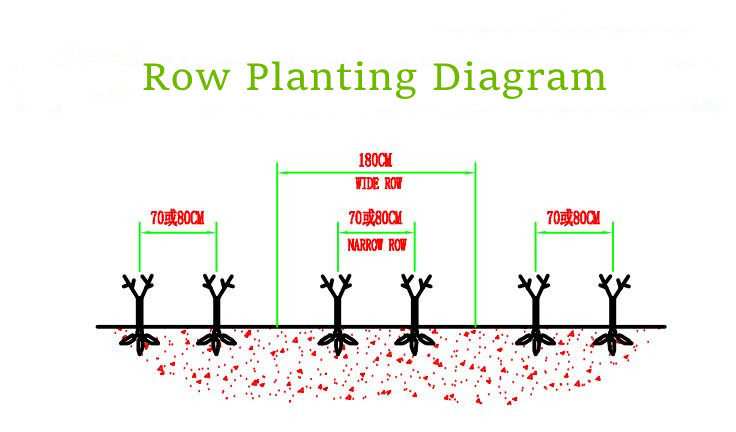
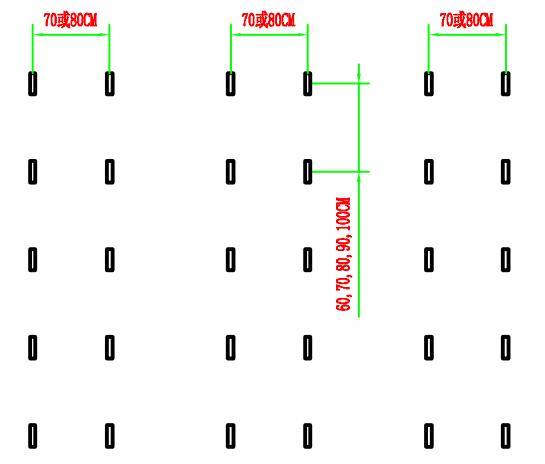
3. Suggesting row space: