
Planning Guide
Composting Process & Equipment Planning Guide
Plan a composting project around feedstock, windrows, site access and the working schedule. Use this guide to prepare the selection brief, and the approved catalogue to compare exact machine configurations. Confirm model-specific limits before requesting a quotation.
Plan the job, then compare models
Start with the feedstock, proposed windrow cross-section, available working lanes and how material will enter and leave the site. If you already know these details, browse the current models below or send your planning brief.
Browse by task or structure: Crawler compost turners · Wheeled compost turners · Tractor-pulled turners.
Current Approved Models
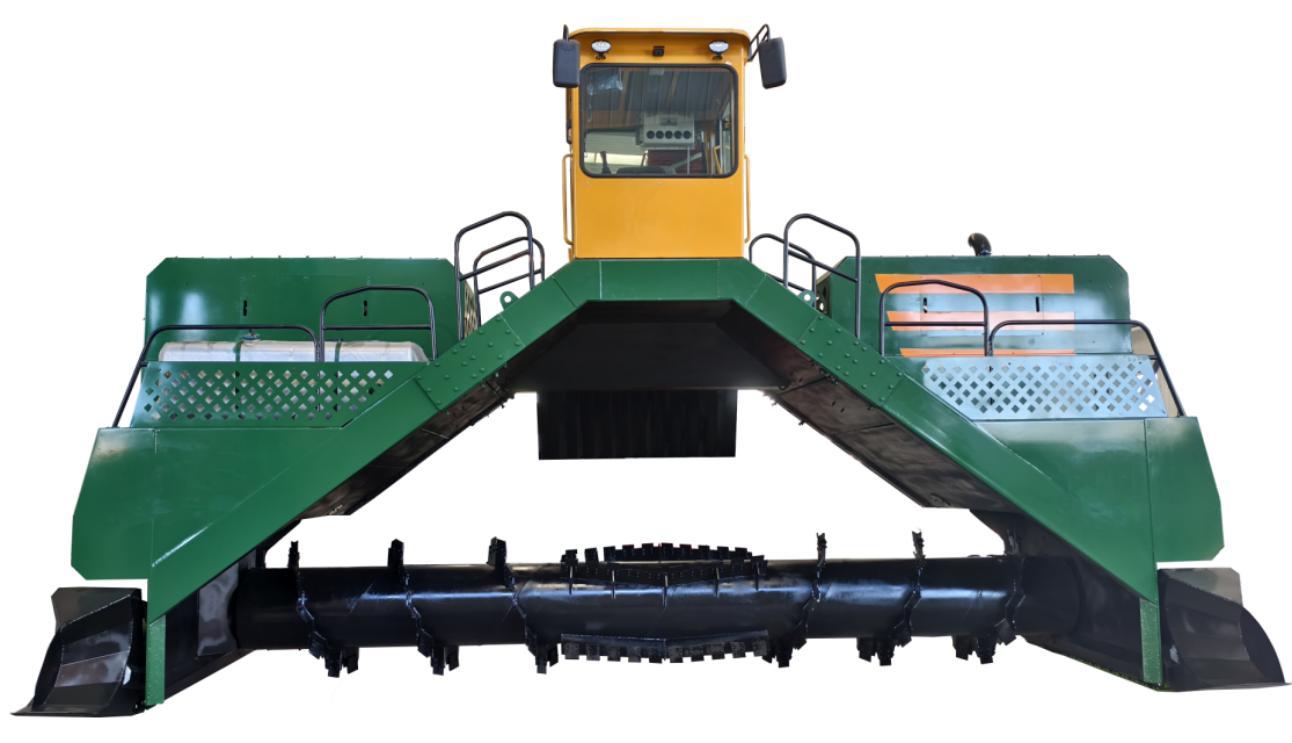
M7000 Crawler Compost Turner
The TAGRM M7000 is a self-propelled crawler compost turner equipped with a Weichai diesel engine rated at 478…
M8000 Crawler Compost Turner
The TAGRM M8000 is a self-propelled crawler compost turner equipped with a Weichai diesel engine rated at 610…
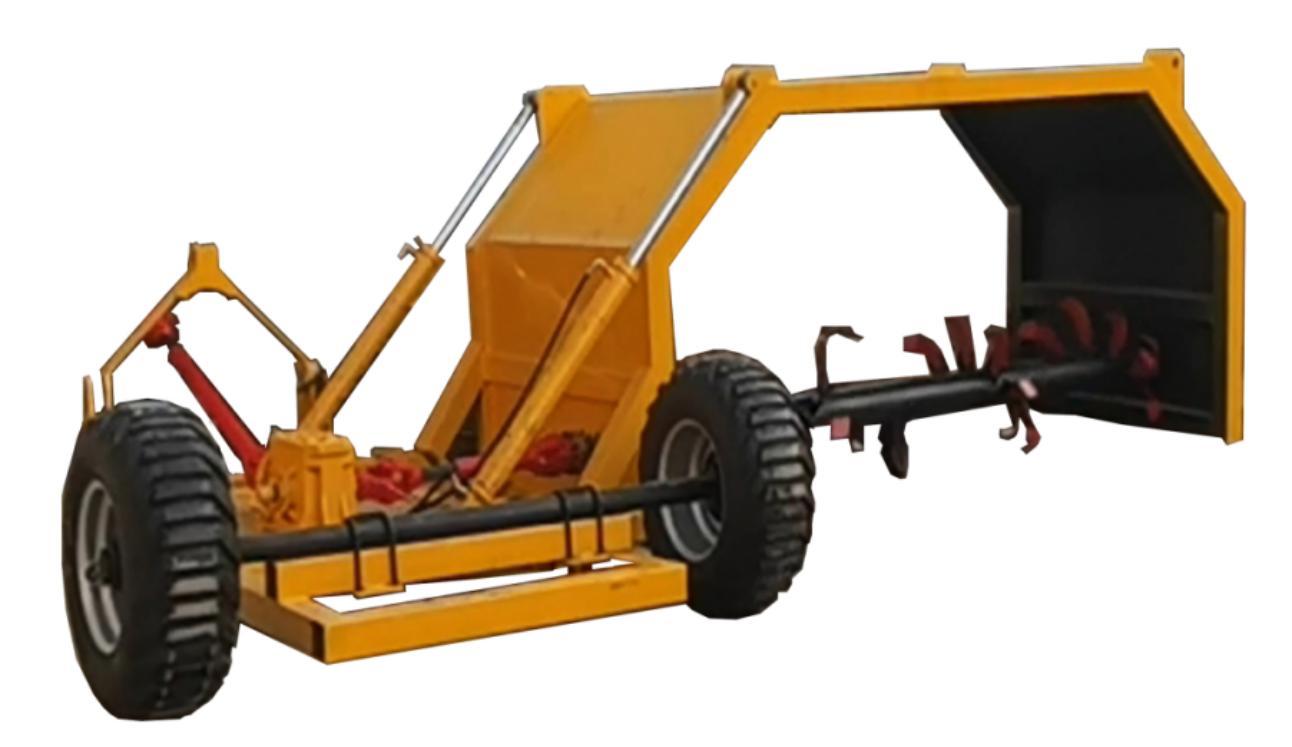
MT3000 Tractor-Pulled Compost Turner
The TAGRM MT3000 is a tractor-pulled compost turner requiring a matching tractor rated at 80–130 kW.
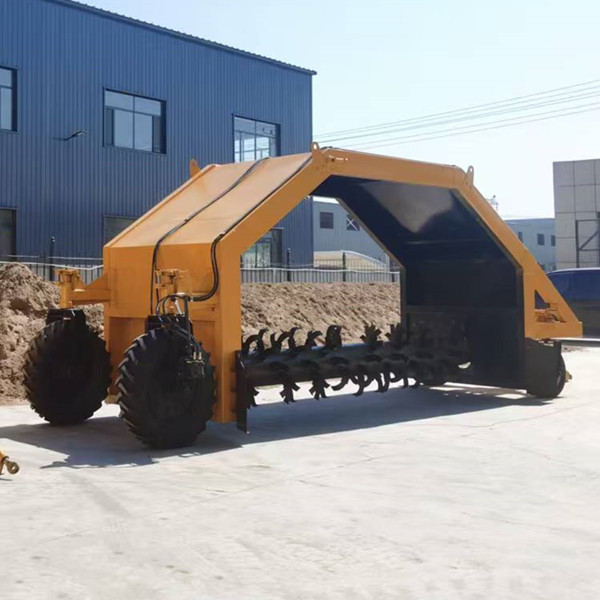
MT5000 Tractor-Pulled Compost Turner
The TAGRM MT5000 is a tractor-pulled compost turner requiring a matching tractor rated at 100–150 kW.
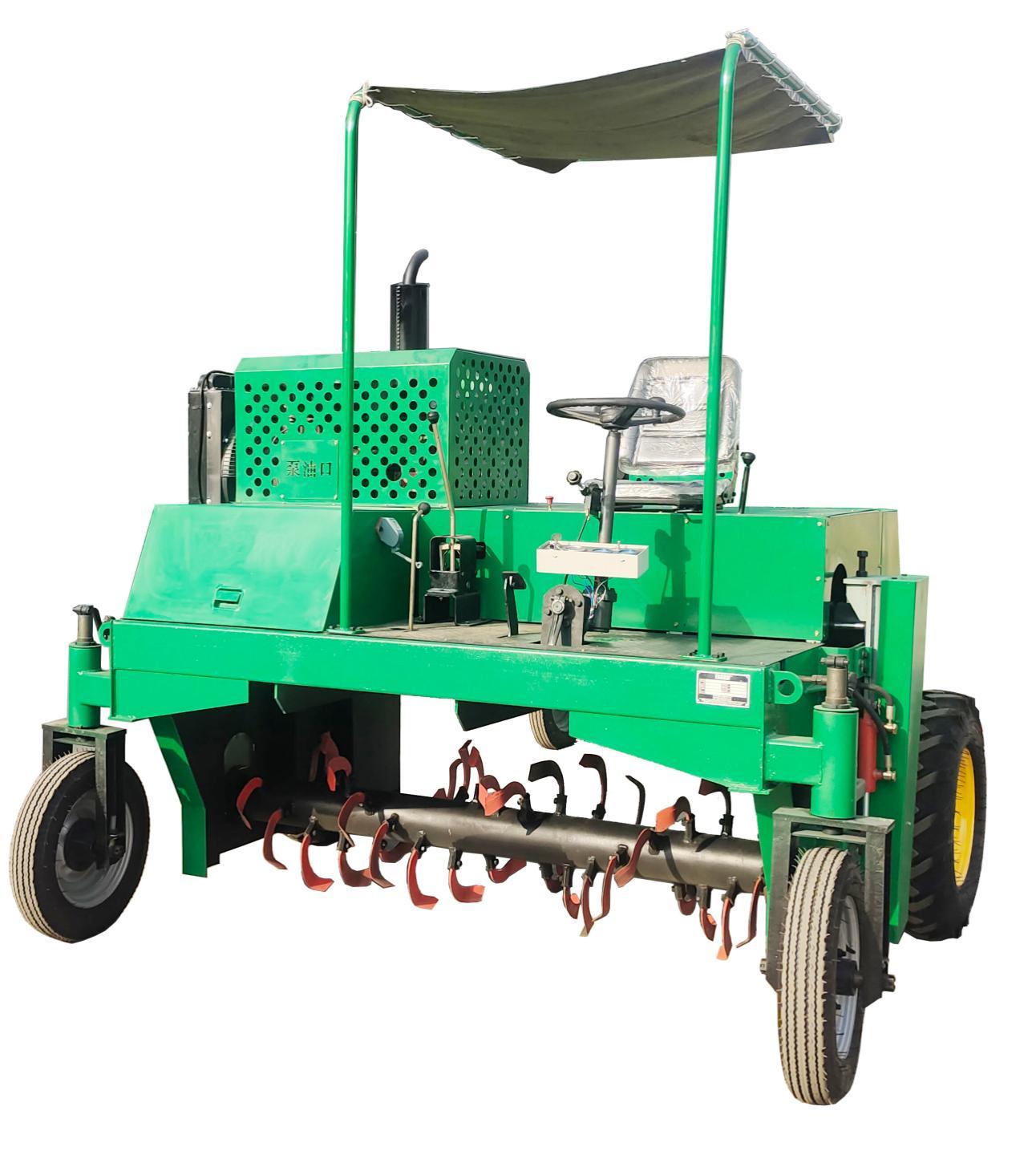
MW2000 Wheel Compost Turner
The TAGRM MW2000 is a self-propelled wheel compost turner equipped with a Boling diesel engine rated at 44…
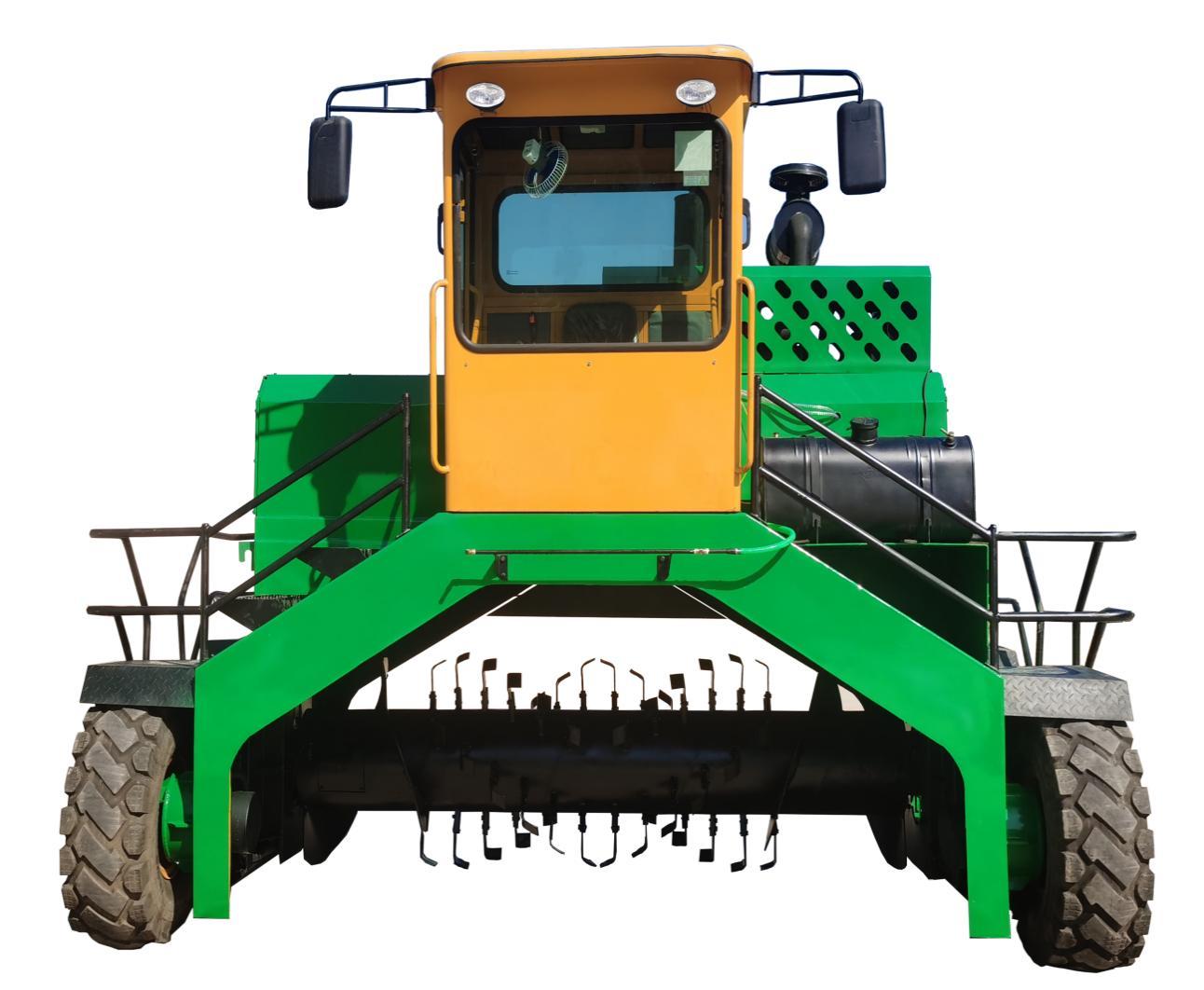
MW3000 Wheel Compost Turner
The TAGRM MW3000 is a self-propelled wheel compost turner equipped with a Boling diesel engine rated at 102…
Planning and selection guide
Define the material and the job
Describe the materials entering the process, how they are collected and any preparation already carried out. Photographs should show texture, long fibres, bulky pieces and possible foreign material. Explain whether the proposed machine will work on one consistent feedstock or a changing mixture. These details help identify questions that a model specification alone cannot answer.
Report the moisture condition and how it changes during storage or wet weather. Where measurements are available, include the method and sampling point. Do not select a machine from a nominal capacity figure without explaining the material and working schedule. This guide does not prescribe a universal moisture target or promise a treatment result.
Draw the windrows and working routes
Provide the planned windrow width and height, the row length and a sketch of the work area. Include entrances, working lanes, turning points, loading areas and maintenance access. Distinguish the space occupied by the windrow from the space needed to approach it and move the selected machine.
Describe the surface, drainage, ground support and any gradients or obstacles. Include gates, bridges or transport restrictions between work areas. A crawler, wheeled or tractor-pulled description does not by itself confirm suitability for soft ground, a slope or a confined site. Compare the actual machine dimensions and movement requirements with the plan.
Choose the running gear and power arrangement
Crawler compost turners and wheeled compost turners are separate equipment categories. Compare the model-specific running gear, drive arrangement, dimensions and maintenance access rather than assuming every machine in one category shares the same operating limits.
Tractor-pulled turners require a compatible tractor. Identify the tractor model and available power, then ask for the required hitch, drive and operating compatibility to be checked. A required tractor-power figure is not the power of an engine installed in the turner.
The M2000 crawler and M2000 wheeled versions are independent configurations. MW2000 is another model, not an alternative spelling for either M2000. Keep the configuration name with every comparison and quotation request.
Compare machines within the project plan
Use individual product pages for the adopted specifications and their stated limits. M3000, M5000 and M6500 are crawler examples in the approved directory; they are not interchangeable configurations. The catalogue also separates wheeled and tractor-pulled models.
Explain the incoming material volume, available operating hours, number of work areas and existing loading or handling equipment. Ask the supplier to assess the proposed arrangement against these conditions. Published model data is a selection reference, not a common guaranteed site output for the entire range.
Separate compost turning from a complete production line
A turning machine addresses a defined part of the material-handling process. If a project also needs screening, conveying, dosing, granulation, drying or packaging, describe those tasks separately and identify equipment already installed. Do not infer that a turner includes these stages.
This guide does not list an approved complete fertilizer production-line package. Send a process description for a project-specific assessment; a named historical line or module is not a confirmed current package, capacity or delivery commitment.
Prepare a useful quotation brief
Include the feedstock and moisture information, windrow dimensions, site sketch, working schedule and preferred machine category. Add existing tractor details where relevant, destination, quantity and the options or documentation you need to discuss.
State which assumptions are still provisional. Ask the quotation to identify the exact model and configuration, included equipment and any conditions that must be checked before selection. Use the inquiry form below to send the brief. The Product / Model field is required: enter the exact model if selected, or write “Selection advice – compost turning” and describe the application in Requirements.
Common procurement questions
Can I choose a turner from processing capacity alone?
No. Compare the adopted product specification with your feedstock, windrow dimensions, working schedule and site constraints. Ask for the basis of any project-specific output assessment rather than applying one figure to every material.
Does an MT-series tractor-power requirement describe an onboard engine?
No. MT3000 and MT5000 are tractor-pulled configurations. Their tractor requirements must be checked against the proposed tractor; they must not be presented as the power of an engine fitted to the turner.
What if I need more than a turner?
Describe the additional process stages and existing machinery in the inquiry. The approved turner directory is not a specification or availability list for a complete organic fertilizer production line.
Send your material, windrow and site details for equipment-selection discussion.
Send an Inquiry
Please describe your requirements.